Inflammation: A Root Cause of Autoimmune Disease—and What You Can Do About It
Autoimmune diseases—such as rheumatoid arthritis, lupus, and multiple sclerosis—happen when your immune system, which normally protects you from infections, mistakenly attacks your own tissues. At the heart of these conditions is inflammation. While inflammation is your body’s natural defense mechanism, when it becomes chronic and dysregulated, it can set the stage for autoimmune disease.
The good news? Understanding the root drivers of inflammation gives you powerful tools to lower your risk or calm disease activity.
How Inflammation Fuels Autoimmune Disease
Normally, your immune system knows how to distinguish between “self” (your own cells) and “non-self” (invaders like bacteria). But in autoimmune disease, this balance is lost.
- Immune dysregulation: Cells of both the innate immune system (like macrophages and neutrophils) and the adaptive immune system (like T and B cells) become overactive, releasing inflammatory molecules (cytokines) that damage tissues (Xiang et al., 2023; Duan et al., 2019; Ogbodo et al., 2022).
- Cytokine networks: Certain cytokines—including IL-1, IL-6, IL-17, and TNF-α—are strongly linked with autoimmune disease progression (Kuwabara et al., 2017; Khan et al., 2023; McGinley et al., 2020).
- Self-perpetuating loops: Once triggered, inflammation often sustains itself through feedback cycles like neutrophil extracellular traps (NETs), which keep the immune system switched on (Fousert et al., 2020; Hawkins et al., 2017).
This constant “fire” inside the body doesn’t just start on its own. Environmental triggers and lifestyle factors often play a big role.
Stress as a Trigger
You’ve probably noticed how stress can make everything feel worse. Research shows that both acute (short-term) and chronic (long-term) stress can trigger autoimmune flare-ups or even contribute to the development of these diseases in predisposed individuals.
- Life events and PTSD: People who experience major stressful events or have stress-related disorders like PTSD are more likely to develop autoimmune diseases (Porcelli et al., 2016; Song et al., 2018; Mandagere et al., 2025).
- Stress hormones: Stress activates your HPA axis (hypothalamic-pituitary-adrenal system), releasing cortisol and adrenaline, which in turn alter immune responses (Sharif et al., 2018; Stojanovich & Marisavljevich, 2008).
- Flares and worsening disease: Chronic stress has been linked to increased severity of conditions like rheumatoid arthritis, lupus, and multiple sclerosis (Chaudhary et al., 2023; Ilchmann-Diounou & Ménard, 2020).
Stress is not the sole cause of autoimmune disease, but it acts like gasoline on an already smoldering fire.
Food, Diet, and Autoimmunity
What you eat can either fan the flames of inflammation—or help put them out.
Processed vs. Whole Grains
Not all carbohydrates are equal. Processed carbs—such as white bread, pastries, and sweetened cereals—are stripped of their fiber and nutrients, which leads to blood sugar spikes and increased inflammation. In contrast, whole grains like quinoa, millet, barley and oats contain fiber, vitamins, and minerals that nourish gut bacteria and support balanced immune activity.
Saturated Fats
Saturated fats are a type of fat that tends to be solid at room temperature. In the diet, they are found in:
- Fatty cuts of red meat and processed meats
- Butter, cream, cheese, and other full-fat dairy products
- Tropical oils like coconut and palm oil
- Packaged snacks and baked goods made with hydrogenated fats
High intake of saturated fats is linked with more inflammatory immune activity, while replacing them with unsaturated fats (like extra virgin olive oil, sesame seed oil or avocado oil) is associated with reduced inflammation.
Butter, cream, cheese and coconut oil can be enjoyed in small amounts as part of a balanced diet, but because they are high in saturated fat, it’s best to limit them to no more than 10% of daily calories. For someone eating 2,500 calories per day, that works out to about 3 tablespoons of these types of saturated fats at most per day.
Foods that increase risk
- Ultra-processed foods: Sauces, gravies, instant noodles, processed meats, cheeses, salty snacks, and ready-to-eat meals often contain huge amounts of salt, which promotes inflammatory immune activity (Haron et al., 2020; Ding et al., 2023).
- High salt intake: Too much sodium impairs regulatory T cells (which normally calm the immune system) and drives pro-inflammatory Th17 cells (Sharif et al., 2018; Hornero et al., 2020).
- High sugar and processed carbs: These increase oxidative stress and encourage inflammatory immune pathways (Zhang et al., 2019).
- Unhealthy fats: Diets high in saturated and trans fats push your immune system toward inflammation, especially if low in protective omega-3s (Haghikia et al., 2015).
Foods and patterns that protect
- Mediterranean diet: Rich in fruits, vegetables, whole grains, legumes, olive oil, and fish, this style of eating is consistently linked to lower inflammation and reduced autoimmune risk (Gioia et al., 2020; Nikiphorou & Philippou, 2023).
- Vegetables—lots of them: Research shows that eating 6–9 servings of vegetables daily reduces markers of inflammation and supports healthy immune balance (Barbalace et al., 2025).
- Omega-3 fatty acids: Found in fatty fish like salmon and sardines, omega-3s calm inflammation and may reduce disease activity (Pagliai et al., 2022).
- Fiber and polyphenols: Whole plant foods feed beneficial gut bacteria and generate compounds that help regulate immune function (Barbalace et al., 2025).
- Micronutrients: Vitamin D, selenium, zinc, and antioxidants support balanced immune activity (Low et al., 2024; Jia et al., 2025).
Food Sources
Omega-3s: Fatty fish (salmon, sardines, mackerel, anchovies), flaxseeds, chia seeds, walnuts, and algae-based sources.
Zinc: Oysters (the richest source), beef, pumpkin seeds, cashews, chickpeas, and lentils.
Selenium: Brazil nuts (just 1–2 a day can meet your needs), tuna, halibut, eggs, and sunflower seeds.
Antioxidants are compounds that protect your cells from damage caused by unstable molecules called free radicals, which contribute to inflammation and chronic disease. They’re abundant in colorful fruits and vegetables (like berries, spinach, and peppers), nuts, seeds, green tea, dark chocolate, and spices such as turmeric.
Environmental Pollutants and Autoimmunity
Beyond food and stress, toxins from the environment can worsen inflammation and raise the risk of autoimmunity. Many everyday products carry hidden exposures:
- Cosmetics and personal care products: Heavy metals (like lead in lipstick), phthalates and parabens (used in fragrances and preservatives), and formaldehyde-releasing chemicals in hair products can all act as immune disruptors.
- Household cleaners and plastics: Volatile organic compounds (VOCs) in cleaning sprays, bisphenols in plastics, and flame retardants in furniture or electronics have been linked to immune system changes (Ogbodo et al., 2022).
- Pesticides and pollutants: Residues on non-organic produce and airborne pollutants can increase oxidative stress, free radical formation and inflammation.
Minimizing these exposures—by choosing cleaner cosmetics, fragrance-free household products, and limiting plastics—helps lower your inflammatory burden.
What You Can Do
If you’re dealing with an autoimmune condition—or hoping to lower your risk—here are some practical steps:
- Lower your inflammatory load: Cut back on processed, too salty, sugary, and high-fat foods.
- Adopt an anti-inflammatory diet: Prioritize Mediterranean-style eating with 6–9 servings of vegetables, plenty of fish, olive oil, legumes, and whole grains. Use olive oil, vinegar, spices and natural salt to flavor your food. Ultra-processed foods are the main source of excessive salt in the modern diet, but when these are eliminated, you can season whole, unprocessed foods with natural salt to taste—without it posing a health concern for most people.
- Support your gut health: Include fiber-rich foods (like vegetables) and limit ultra-processed products that harm your microbiome.
- Manage stress: Regular exercise, mindfulness, yoga, time in nature, and adequate sleep all reduce inflammatory stress responses.
- Check your nutrients: Ensure you’re not deficient in vitamin D, omega-3s, zinc, or selenium—nutrients often linked to immune balance.
- Reduce toxin exposure: Choose cleaner personal care and household products, and limit use of plastics.
Takeaway
Inflammation is at the root of autoimmune disease—it sparks the immune system’s confusion, keeps it burning, and is worsened by stress, diet, and environmental exposures. By learning how to cool down this fire with lifestyle, nutrition, and toxin-awareness choices, you can take meaningful steps toward protecting your health and calming disease activity.
👉 Want to dive deeper? Check out my Inflammation Playlist for practical tips, nutrition strategies, and lifestyle tools to help you calm inflammation and protect your health.
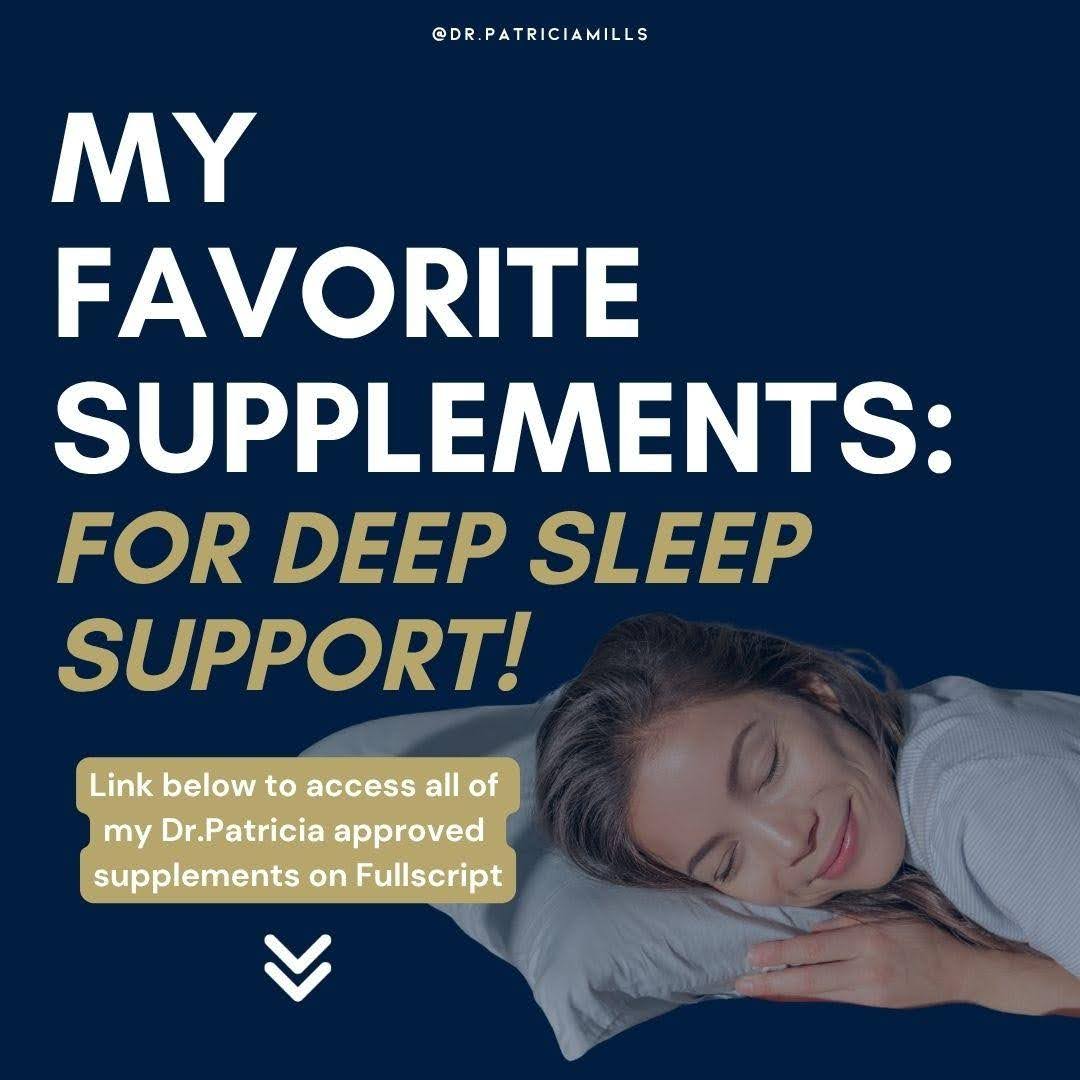
Fullscript Supplement Resources
You can find a list of these supplements in this easy-to-access Fullscript protocol, which you can access right here
References
Rao et al. In Search of a Safe Natural Sleep Aid. J Am Coll Nutr. 2015;34(5):436-47. doi: 10.1080/07315724.2014.926153. Epub 2015 Mar 11. PMID: 25759004.
Türközü D, Şanlier N. L-theanine, unique amino acid of tea, and its metabolism, health effects, and safety. Crit Rev Food Sci Nutr. 2017 May 24;57(8):1681-1687. doi: 10.1080/10408398.2015.1016141. PMID: 26192072.
Shinjyo et al. Valerian Root in Treating Sleep Problems and Associated Disorders-A Systematic Review and Meta-Analysis. J Evid Based Integr Med. 2020 Jan-Dec;25:2515690X20967323. doi: 10.1177/2515690X20967323. PMID: 33086877.
Are you getting the full benefit of a Fullscript account?
If you haven’t already done so, set up your own Fullscript account so you can see my recommended core supplements, Protocols, and other favorites. And if you decide to purchase supplements which I’ve researched and recommend through Fullscript, I receive a small commission — and YOU receive a 10% discount! It’s a win/win.
Canadian residents
USA residents
If you’re still unable to see my recommended core supplements in your account, select the ‘Catalog’ tab, then click on ‘Dr. Patricia Mills’ Fullscript Account Favourites’ and then select ‘Foundational Supplements’.