How Inflammation Can Lead to Low Iron and Anemia
If you’ve ever been told your iron is low but you don’t understand why, inflammation may be part of the answer. When your body experiences inflammation—whether from infection, chronic illness, or even stress—it can change the way your body handles iron. Over time, this can lead to low iron levels and a condition called anemia of inflammation, also known as anemia of chronic disease.
How Inflammation Affects Iron in Your Body
Your body needs iron to make red blood cells, which carry oxygen to all your tissues. But when inflammation is present, your immune system shifts how iron is used and stored. Here’s how that happens:
1. The Hormone Hepcidin Blocks Iron
When your immune system is active, inflammatory molecules—especially one called interleukin-6 (IL-6)—signal your liver to make more of a hormone called hepcidin.
Hepcidin acts like a gatekeeper: it blocks iron absorption from food and traps iron inside storage cells in your liver and immune system. This means even if you eat enough iron, your body can’t use it effectively (Lanser et al., 2021; Rosenblum, 2023; Wessling-Resnick, 2010; Cappellini et al., 2023).
2. Iron Gets “Locked Away”
During inflammation, your body increases storage iron (measured as ferritin), but circulating iron in the blood drops. This creates what’s called functional iron deficiency—you have iron, but it’s stuck in storage and unavailable to make new red blood cells (Lanser et al., 2021; Ueda & Takasawa, 2018; Rosenblum, 2023; Cappellini et al., 2023).
3. Red Blood Cell Production Slows Down
Inflammation doesn’t just affect iron—it also interferes with erythropoietin, the hormone that tells your bone marrow to make new red blood cells. This means your body produces fewer red blood cells, worsening anemia (Lanser et al., 2021; Rosenblum, 2023; Cappellini et al., 2023).
4. Iron Absorption from Food Decreases
Inflammation can also make your intestines less able to absorb dietary iron, which adds to the problem (Suchdev et al., 2017; Cappellini et al., 2023).
Summary: How Inflammation Affects Iron
| What Happens During Inflammation | Result on Iron and Blood |
| Increased hepcidin | Less iron absorbed, more iron stored |
| Iron trapped in storage | Low blood iron despite normal stores |
| Reduced red blood cell production | Anemia of inflammation |
| Lower gut absorption | Functional iron deficiency |
Why This Matters for Your Health
Anemia of Inflammation Is Common
This type of anemia is common in people with chronic conditions such as kidney disease, heart failure, obesity, autoimmune disorders, and ongoing infections. You may notice fatigue, weakness, or pale skin, even though your diet seems adequate (Lanser et al., 2021; Ueda & Takasawa, 2018; Rosenblum, 2023; Berton & Gambero, 2023; Cappellini et al., 2023).
It Can Be Hard to Diagnose
Doctors often check ferritin to measure iron stores, but ferritin rises during inflammation even if your actual iron levels are low. This means it can be tricky to tell whether you have simple iron deficiency or anemia of inflammation (Ueda & Takasawa, 2018; Suchdev et al., 2017; Berton & Gambero, 2023). This is why if there are symptoms of low iron, not just ferritin should be checked. The most common symptoms include fatigue, low energy, pale skin, shortness of breath, dizziness, and feeling unusually cold. Some people notice headaches, heart palpitations, brittle nails, hair loss, or restless legs. Others experience unusual cravings for non-food items like ice or clay (a condition called pica), or find it harder to concentrate and think clearly due to reduced oxygen supply to the brain. Because iron also supports the immune system, low levels can increase your susceptibility to infections. Additional blood work includes serum iron, transferrin saturation, and hemoglobin.
Treatment Focuses on Reducing Inflammation
Because inflammation blocks your body’s ability to use iron, the best approach is to address the underlying cause of inflammation—such as infection, poor gut health, or chronic stress.
In some cases, as a necessary short term ‘bandaid’, intravenous iron may be used instead of oral supplements, since inflammation can prevent iron from being absorbed properly through the gut (Ueda & Takasawa, 2018; Cappellini et al., 2023).
Key Takeaway
Inflammation and iron are deeply connected. When inflammation is ongoing, your body holds onto iron instead of using it, leading to low blood iron and sometimes anemia. Managing inflammation through nutrition, lifestyle, and medical care can help your body restore balance and improve energy levels.
For a deeper understanding of inflammation, including its root causes and effective natural strategies, visit my free Inflammation Playlist on YouTube.
Fullscript Supplement Resources
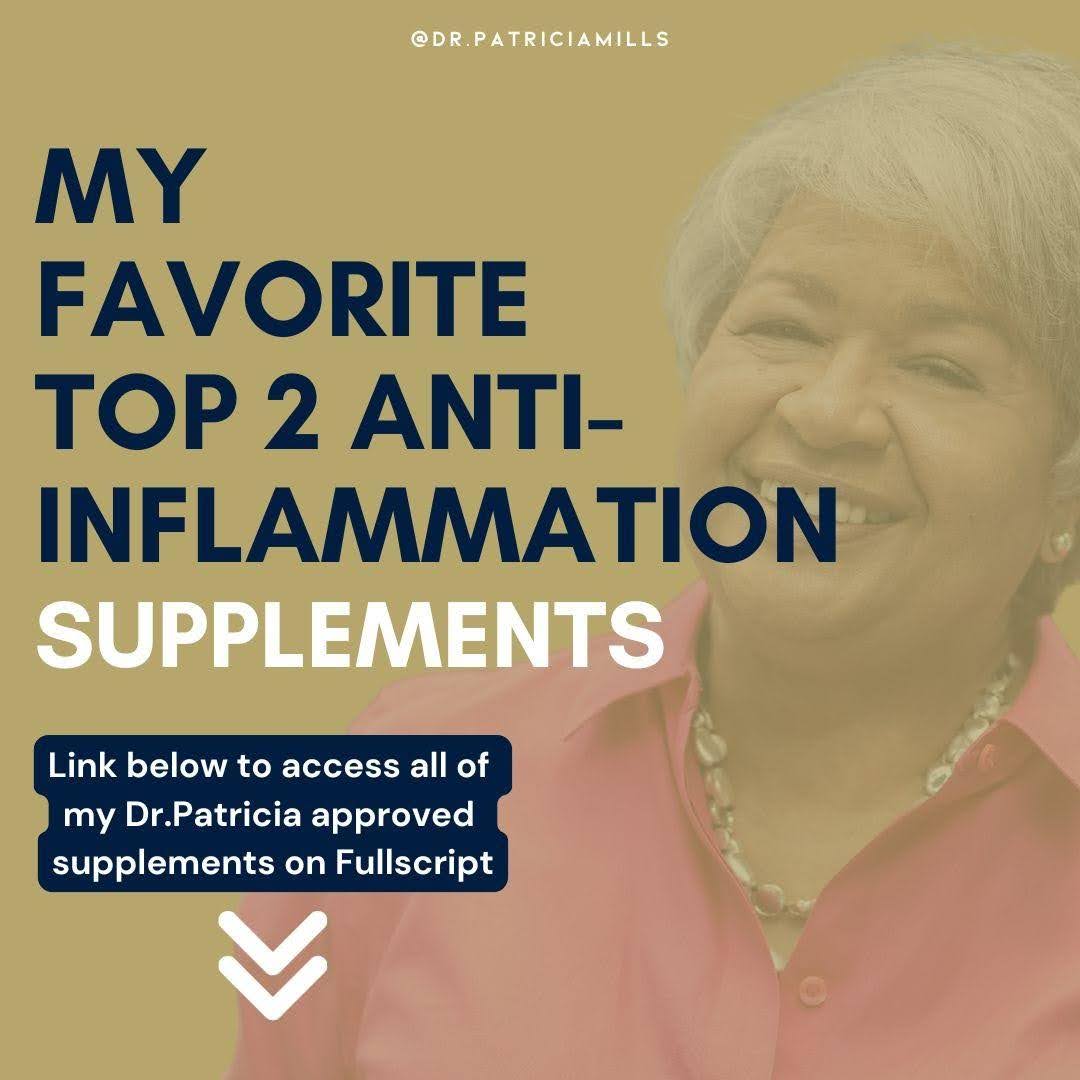
You can find great quality curcumin and omega-3 supplements in my easy-to-access Fullscript protocol. You can access it right here
References
Lanser, L., Fuchs, D., Kurz, K., & Weiss, G. (2021). Physiology and Inflammation Driven Pathophysiology of Iron Homeostasis—Mechanistic Insights into Anemia of Inflammation and Its Treatment. Nutrients, 13. PMID: 34768806
Ueda, N., & Takasawa, K. (2018). Impact of Inflammation on Ferritin, Hepcidin and the Management of Iron Deficiency Anemia in Chronic Kidney Disease. Nutrients, 10. PMID: 30205547
Suchdev, P., Williams, A., Mei, Z., Flores-Ayala, R., Pasricha, S., Rogers, L., & Namaste, S. (2017). Assessment of iron status in settings of inflammation: challenges and potential approaches. The American Journal of Clinical Nutrition, 106, 1626S–1633S. PMID: 29070552
Rosenblum, S. (2023). Inflammation, dysregulated iron metabolism, and cardiovascular disease. Frontiers in Aging, 4. PMID: 37343837
Berton, P., & Gambero, A. (2023). Hepcidin and inflammation associated with iron deficiency in childhood obesity – A systematic review. Jornal de Pediatria, 100, 124–131. PMID: 37771287
Wessling-Resnick, M. (2010). Iron homeostasis and the inflammatory response. Annual Review of Nutrition, 30, 105–122. PMID: 20415541
Cappellini, M., Scaramellini, N., & Motta, I. (2023). Iron status in chronic inflammatory disease: therapeutic implications. Polish Archives of Internal Medicine. PMID: 37638641
Are you getting the full benefit of a Fullscript account?
If you haven’t already done so, set up your own Fullscript account so you can see my recommended core supplements, Protocols, and other favorites. And if you decide to purchase supplements which I’ve researched and recommend through Fullscript, I receive a small commission — and YOU receive a 10% discount! It’s a win/win.
Canadian residents
USA residents
If you’re still unable to see my recommended core supplements in your account, select the ‘Catalog’ tab, then click on ‘Dr. Patricia Mills’ Fullscript Account Favourites’ and then select ‘Foundational Supplements’.