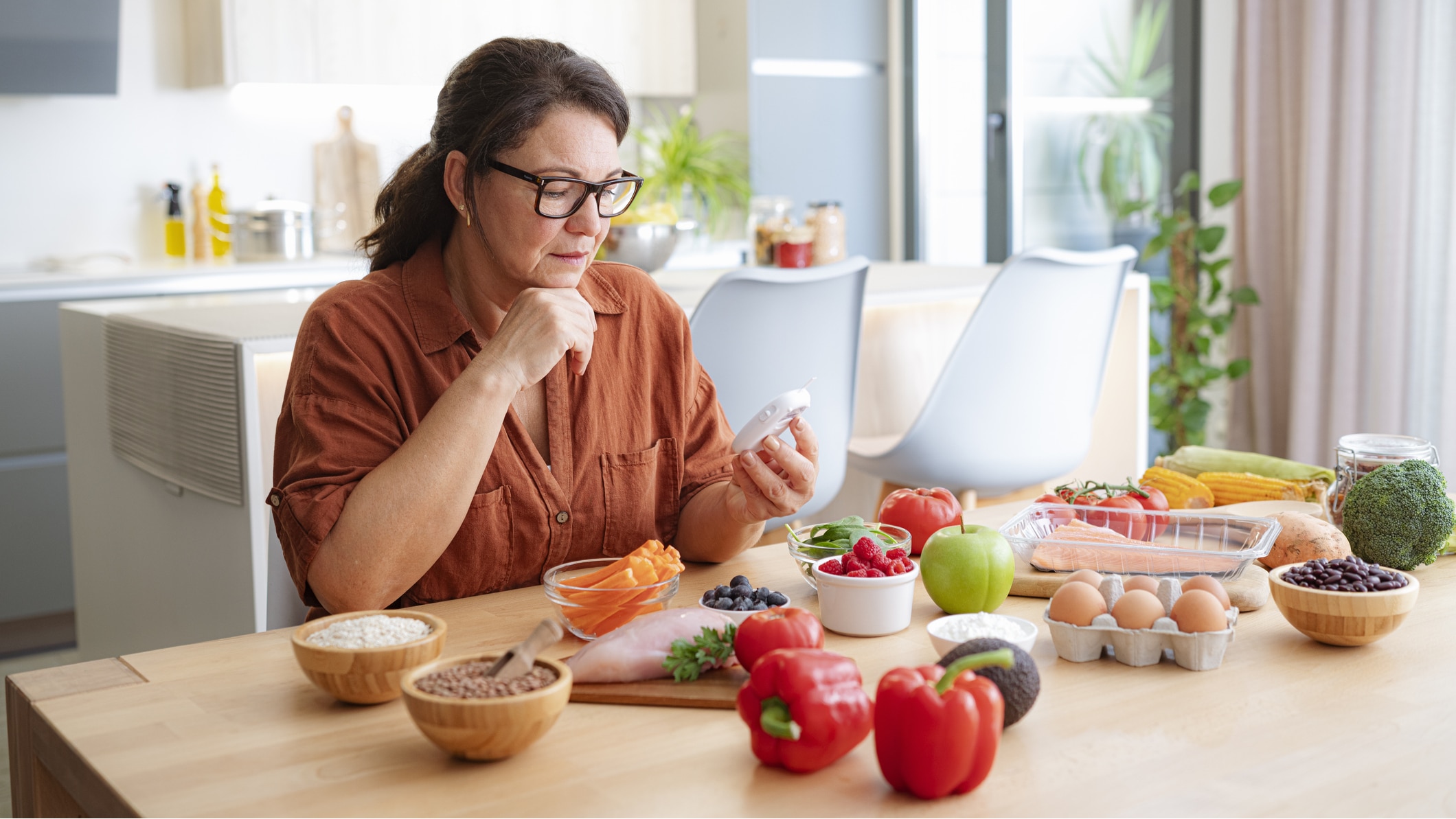
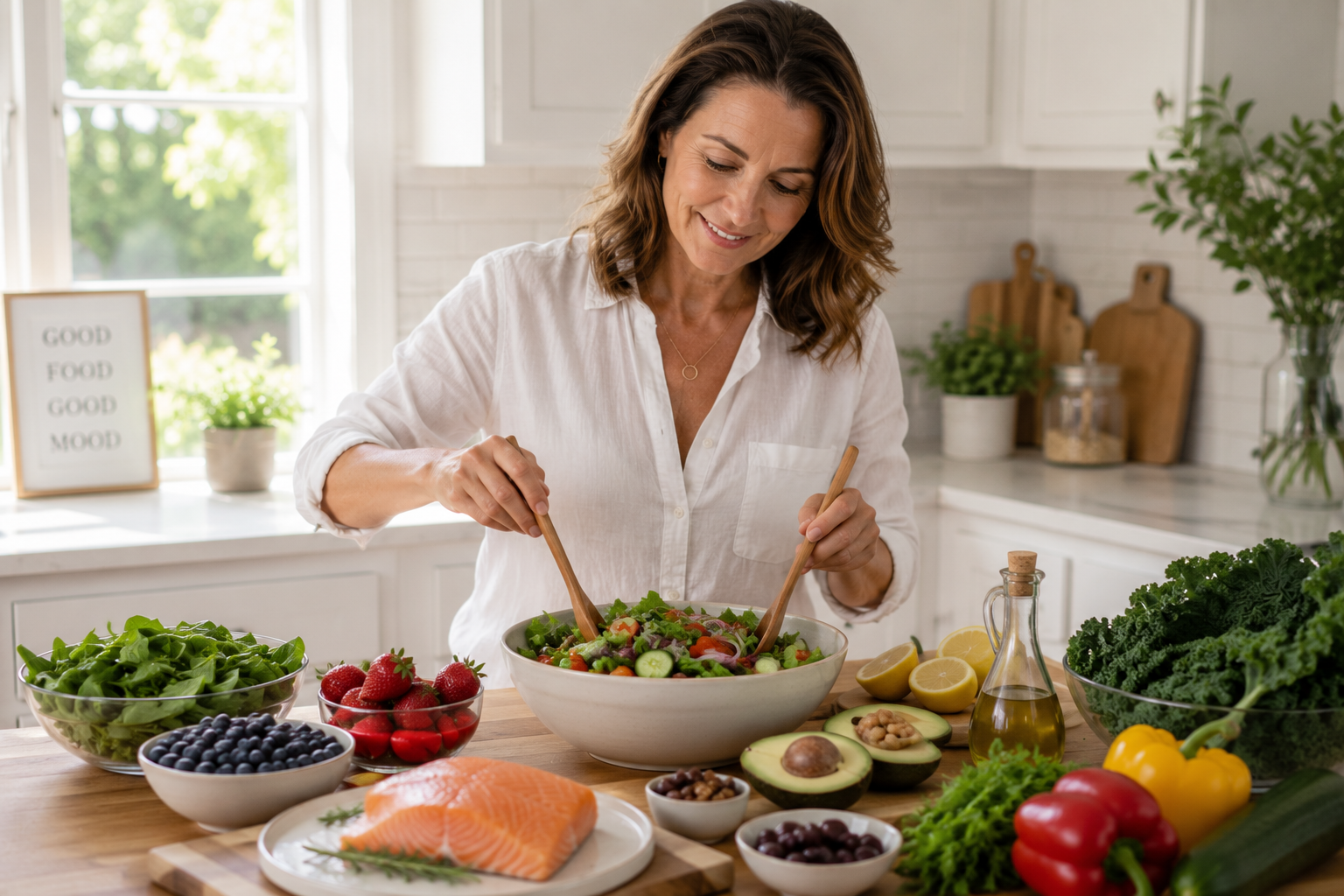
How Your Dietary Acid Load Affects Inflammation and Long-Term Health
You may have heard people talk about “acid-forming” versus “alkalizing” foods, but what does that really mean for your health? Research shows that the balance of acid and base in your diet—called dietary acid load (DAL)—can have a major impact on inflammation and chronic disease risk.
What Is Dietary Acid Load?
Dietary acid load (DAL) is a measure of how foods affect the body’s acid-base balance. Scientists often measure this using something called potential renal acid load (PRAL), which looks at how much acid or base different foods make the kidneys process.
- Positive PRAL values → acid-forming foods (like meat, cheese, and grains)
- Negative PRAL values → alkalizing foods (like fruits and vegetables)
Vegetables and herbs are considered alkalinizing due to their high content of potassium, magnesium, and calcium, as well as organic anions such as citrate and malate. When metabolized, these components are converted to bicarbonate, a base, which helps neutralize acids in the body. This process reduces the net acid load that the kidneys must excrete, reflected in lower PRAL values.
In contrast, animal proteins and grains are rich in sulfur-containing amino acids and phosphorus, which are metabolized to acids, increasing PRAL.
When your diet leans heavily toward acid-forming foods without enough alkalizing ones to balance them, your body may enter a state of chronic low-grade metabolic acidosis—a subtle but persistent acidic environment linked to inflammation and disease (Wu et al., 2019; Wieërs et al., 2024).
Acid-Forming Diets and Chronic Inflammation
Western-style diets—high in meat, dairy, refined grains, and low in vegetables and fruits—are strongly associated with higher levels of inflammation. Studies show that a high DAL raises markers like C-reactive protein and TNF-α, both of which are involved in chronic inflammation (Moludi et al., 2025; Balali et al., 2024).
This inflammation, over time, increases the risk of:
- Weight gain and obesity
- High cholesterol and hypertension
- Osteoarthritis and other chronic pain conditions
- Heart disease, heart attacks and strokes
- Type 2 diabetes
- Chronic kidney disease
- Cancer (Moludi et al., 2025; Fereidouni et al., 2022; Abbastabar et al., 2025)
Researchers believe this happens because too much acid load can damage tissues, activate inflammatory pathways, and stress your kidneys and metabolism (Wu et al., 2019; Luzardo, 2024).
Why Vegetables Matter
The good news? You don’t need to cut out all acid-forming foods. Instead, it’s about balance. Animal proteins and grains are naturally acid-forming, but pairing them with enough alkalizing foods like vegetables, fruits, herbs and spices helps bring the body back into balance.
Vegetables and fruits are particularly powerful here: studies show that 6–9 servings of vegetables and fruits per day is an effective target for reducing inflammation in humans. This amount not only balances acid-forming foods but also supplies antioxidants, fiber, and nutrients that calm inflammation and protect against disease.
Herbs are surprisingly the most alkalizing plants, even more so than vegetables and fruits.
Think of it this way:
- A steak on its own is acid-forming.
- A steak with a large salad, roasted veggies, a baked potato with parsley on its own or in a chimichurri sauce, and a handful of fresh berries for dessert shifts the balance toward anti-inflammatory.
PRAL Values: Examples of Foods
Here are some examples of how foods differ in their PRAL values:
- Strong acid-formers: Cheese (+34), meats (+7 to +12), fish (+7 to +10), eggs (+8)
- Mild acid-formers: White bread (+3.5), rice (+1.7), milk (+0.7)
- Alkalizers: Fruits (-3 to -5), potatoes (-4), vegetables and herbs like dill, cilantro, basil and parsley (-14 to -16), spices (-3 to -5)
- Neutral: Coffee and tea (~0). (Wieërs et al., 2024; Storz et al., 2022)
This explains why vegetable, fresh fruit and herb-rich diets consistently show lower DAL and lower inflammation levels (Storz et al., 2022; Aleksandrova et al., 2021).
Herbs: The Most Alkalizing Plants
Herbs are some of the most alkalizing foods of all, with PRAL values as low as -10 to -20 mEq/100g for dried varieties. Their mineral-rich composition (high potassium, magnesium, and calcium, very low protein and phosphorus) explains their powerful base-forming effect.
- Parsley: -16 (base)
- Basil: -15 (base)
- Oregano: -14 (base)
- Dill: -12 (base)
👉 This may help explain why many traditional cuisines balance acid-forming foods (like meat or cheese) with herb-rich recipes such as chimichurri, pesto, tabouli, and pesto.
Spices: A Flavorful Balancer
Spices also provide alkalizing balance to acid-forming foods.
- Cinnamon: -5 (base)
- Turmeric: -4 (base)
- Ginger: -3 (base)
(Standard PRAL tables, foundational nutrition studies)
👉 It’s not just about flavor—it’s also about acid-base balance.
What About Citrus Fruits, Coffee and Vinegar?
While these foods are considered ‘acidic’ on the outside, on the inside of the body they have a net alkaline effect. Fruits and vegetables, including citrus, are high in citrate and malate, which are metabolized to bicarbonate, reducing dietary acid load. Vinegar is generally neutral or slightly alkalinizing, as its acetic acid is metabolized and does not contribute to net acid load. Coffee has a near-neutral or slightly negative PRAL, so it does not significantly increase dietary acid load.
- Citrus fruits: -2 to -3 (base)
- Vinegar: ~0 or slightly negative (neutral/base)
- Coffee: -1 to 0 (neutral/base)
Legumes: A Surprising Ally
Unlike animal proteins, legumes (lentils, chickpeas, beans, peas, soybeans) generally have a low or slightly negative PRAL, making them neutral or mildly alkalizing foods. Their high potassium and magnesium content offsets their protein levels, which would otherwise raise acid load (Pashayee-Khamene et al., 2024).
PRAL values for common legumes:
- Lentils: -0.3 (neutral/base)
- Chickpeas: -0.2 (neutral/base)
- Kidney beans: +1.0 (slight acid)
- Soybeans: -1.0 (base)
- Peas: -0.5 (neutral/base)
This makes legumes a healthy choice that supports an anti-inflammatory diet.
Alcoholic Beverages: Mostly Neutral for PRAL
Wine, beer, and liquor generally have near-zero PRAL values (~-0.4 to +0.3 mEq/100g), meaning they don’t significantly affect acid-base balance (Wieërs et al., 2024).
However, their health effects come more from other pathways:
- Beer and liquor may raise uric acid, relevant for gout.
- Moderate wine consumption is sometimes linked to lower inflammation, while beer and liquor show neutral or weaker effects.
So while alcohol itself won’t raise PRAL much, its broader health effects depend on type and quantity consumed.
Sugar: Neutral to Slightly Acidic
Sugar (white or brown) also has a PRAL near zero (0 to +1), meaning it contributes very little to dietary acid load (Farhangi et al., 2019). Honey is similarly neutral.
That said, sugar affects health in many other ways—like blood sugar spikes, weight gain, and metabolic stress—but when it comes to dietary acid load, sugar is not a major driver. The bigger culprits are animal proteins, cheese, and grains (Jong et al., 2016). And again, it’s not that these are bad to eat – they simply need to be eaten in balance with alkalizing foods.
Oils and Fats: Not Acid Forming
Oils and fats have a negligible or near-zero PRAL, meaning they do not significantly contribute to dietary acid load. This is because PRAL is determined by the content of protein, phosphorus, potassium, calcium, and magnesium in foods. Oils and fats are very low in these nutrients, especially protein and minerals, which are the main drivers of acid or base production in the body
Table: PRAL Values of Common Food Groups (mEq/100g)
|
Food Group |
Example Foods |
PRAL Range (mEq/100g) |
Acid/Base Effect |
Sources |
|
Meats & Animal Protein |
Beef, chicken, fish, cheese |
+7 to +23 |
Strongly acid-forming |
Pashayee-Khamene et al., 2024 |
|
Legumes |
Lentils (-0.3), Chickpeas (-0.2), Kidney beans (+1.0), Soybeans (-1.0), Peas (-0.5) |
-1 to +1 |
Neutral to mildly alkalizing |
Pashayee-Khamene et al., 2024 |
|
Vegetables, Herbs, Spices & Fruits |
Broccoli, spinach, parsley, cilantro, apples, bananas |
-3 to -16 |
Strongly alkalizing |
Pashayee-Khamene et al., 2024 |
|
Sugar & Sweeteners |
White sugar (0 to +1), Brown sugar (0 to +1), Honey (~0) |
0 to +1 |
Neutral to slightly acid |
Farhangi et al., 2019; Jong et al., 2016 |
|
Alcoholic Beverages |
Wine (~0), Beer (~0), Liquor (~0) |
~0 |
Neutral |
Standard PRAL tables |
Summary
- Strongly acid-forming: Meats, cheese, animal proteins
- Most alkalizing: Vegetables, fruits, spices, and especially herbs
- Neutral or mild: Legumes, sugar, and alcohol
A balanced plate pairs acid-forming proteins with plenty of alkalizing vegetables, fruits, and herbs. This balance may be one reason why traditional diets rich in fresh herbs and spices naturally support better long-term health.
Examples of unbalanced diets:
🥩 Carnivore can be used short term for specific medical conditions but should not be used long term due to its lack of balancing alkalizing vegetables, herbs, etc. Over time should transition into a balanced diet with low dietary acid load by incorporating vegetables, fruits, herbs and spices.
🥘 Omnivore with too much animal, cheese, grains and not enough vegetables, fruits, herbs and spices
🍚 Vegan or vegetarian with not enough vegetables, fruits, herbs and spices
The Takeaway
Chronic inflammation is at the root of many diseases, and your dietary acid load plays a big role in how much inflammation your body carries. Instead of cutting out entire food groups, aim to:
- Limit and balance your acid-heavy foods like meats, cheese, and grains with alkalizing vegetables, herbs, spices and vinegar.. You don’t need to rely on animal protein to meet all your protein needs—and even vegetarians or vegans can run into a high acid load if they lean too heavily on grains without the balancing of plenty of vegetables and herbs.
- Balance your meals with plenty of alkalizing foods. If you’re limiting carbohydrates, go easy on high-starch vegetable options like potatoes and beets, and focus on high-fiber, low-starch vegetables instead like broccoli, cabbage, cauliflower, etc.
- Strive for 6–9 servings of vegetables & fruits (e.g. 4-6 servings of vegetables, 2-3 servings of fruit) a day with plenty of herbs and spices and seasoned with olive oil and vinegar for an anti-inflammatory, health-supportive diet.
- Embrace legumes as low-acid foods. If you’re vegetarian or vegan, remember that legumes alone don’t provide all 9 essential amino acids. Pair them with complementary foods—like grains, seeds, or nuts—to create a complete protein similar to what you’d get from animal sources.
- Remember that alcohol and sugar have little effect on PRAL—but their overall health impacts are another story and if overdone they can cause inflammation through different pathways.
Making this shift can reduce inflammation, support kidney and metabolic health, and lower your long-term risk of chronic disease.
Real progress comes when you address these root causes first—through nourishing food, consistent exercise, stress management, and reducing toxin exposure. Supplements can then be a powerful way to boost and speed up your results. For practical anti-inflammatory strategies and deeper guidance, you can check out my Inflammation Playlist on YouTube.

Fullscript Supplement Resources
You can find anti‑inflammation supplements here:
References
- Moludi, J., et al. (2025). Association of dietary acid load with inflammatory markers, oxidative stress, and clinical features in patients with knee osteoarthritis. Scientific Reports, 15. https://doi.org/10.1038/s41598-025-87012-9
- Wu, T., et al. (2019). Associations between Dietary Acid Load and Biomarkers of Inflammation and Hyperglycemia in Breast Cancer Survivors. Nutrients, 11. https://doi.org/10.3390/nu11081913
- Balali, A., et al. (2024). Dietary acid load and markers of malnutrition, inflammation, and oxidative stress in hemodialysis patients. Frontiers in Nutrition, 11. https://doi.org/10.3389/fnut.2024.1369206
- Wieërs, M., et al. (2024). Dietary acid load in health and disease. Pflugers Archiv, 476, 427–443. https://doi.org/10.1007/s00424-024-02910-7
- Fereidouni, S., et al. (2022). Diet quality and dietary acid load in relation to cardiovascular disease mortality: Results from Fasa PERSIAN cohort study. Food Science & Nutrition, 11, 1563–1571. https://doi.org/10.1002/fsn3.3197
- Luzardo, M. (2024). Effects of higher dietary acid load: a narrative review with special emphasis in children. Pediatric Nephrology. https://doi.org/10.1007/s00467-024-06466-7
- Öteleş, S., et al. (2023). The dietary acid load is associated with disease severity in psoriatic arthritis (PsA). Modern Rheumatology. https://doi.org/10.1093/mr/road107
- Güngör, S. (2024). Dietary Acid Load and Relationship with Diseases. International Journal of Science and Healthcare Research. https://doi.org/10.52403/ijshr.20240314
- Wu, T., et al. (2019). Dietary Acid Load in Relation to Inflammation and Glycemic Status in Women with Breast Cancer (P18-095-19). Current Developments in Nutrition, 3 Suppl 1. https://doi.org/10.1093/cdn/nzz039.P18-095-19
- Storz, M., et al. (2022). Observational and clinical evidence that plant-based nutrition reduces dietary acid load. Journal of Nutritional Science, 11. https://doi.org/10.1017/jns.2022.93
- Aleksandrova, K., et al. (2021). Dietary patterns and biomarkers of oxidative stress and inflammation: A systematic review of observational and intervention studies. Redox Biology, 42. https://doi.org/10.1016/j.redox.2021.101869
- Abbastabar, M., et al. (2025). Dietary Acid Load and Human Health: A Systematic Review and Meta-analysis of Observational Studies. Nutrition Reviews. https://doi.org/10.1093/nutrit/nuae222
- Pashayee-Khamene, F., et al. (2024). Dietary acid load and cirrhosis-related mortality: a prospective cohort study. Scientific Reports, 14. https://doi.org/10.1038/s41598-024-53882-8
- Farhangi, M., et al. (2019). Higher dietary acid load potentially increases serum triglyceride and obesity prevalence in adults: An updated systematic review and meta-analysis. PLoS ONE, 14. https://doi.org/10.1371/journal.pone.0216547
- Jong, J., et al. (2016). Diet-dependent acid load and type 2 diabetes: pooled results from three prospective cohort studies. Diabetologia, 60, 270–279. https://doi.org/10.1007/s00125-016-4153-7
Are you getting the full benefit of a Fullscript account?
If you haven’t already done so, set up your own Fullscript account so you can see my recommended core supplements, Protocols, and other favorites. And if you decide to purchase supplements which I’ve researched and recommend through Fullscript, I receive a small commission — and YOU receive a 10% discount! It’s a win/win.
Canadian residents
USA residents
If you’re still unable to see my recommended core supplements in your account, select the ‘Catalog’ tab, then click on ‘Dr. Patricia Mills’ Fullscript Account Favourites’ and then select ‘Foundational Supplements’.