Rosacea and Diet: What Really Triggers Flare-Ups?
If you live with rosacea, you’ve likely noticed that your skin can flare after certain foods or drinks. You might have even tried cutting things out, only to find that what works for someone else doesn’t always work for you.
That’s because rosacea doesn’t follow a one-size-fits-all diet.
But research does show some clear patterns—and understanding these can help you take a more targeted, less restrictive approach.
Why Food Can Trigger Rosacea
Rosacea is strongly linked to inflammation, blood vessel sensitivity, and nerve activation in the skin. Certain foods can:
- Dilate blood vessels (causing flushing)
- Activate nerve pathways (leading to burning or stinging)
- Increase inflammatory signals (causing redness, flushing)
This is why what you eat and drink can directly influence how your skin feels and looks.
Most Common Rosacea Food Triggers
1. Hot Foods and Drinks
Temperature matters more than you might think.
Very hot beverages or meals can trigger flushing by causing blood vessels in the skin to widen (vasodilation) .
In some studies, about 40% of men and 36% of women reported hot foods and drinks as triggers .
2. Alcohol
Alcohol is one of the most consistent and well-documented triggers.
- Wine (especially white wine)
- Spirits
- Larger quantities of alcohol
These are linked to both flare-ups and increased rosacea risk in some studies .
For many people, alcohol is their number one trigger.
3. Spicy Foods
If you’ve ever noticed flushing after spicy food, you’re not alone.
Spicy foods contain capsaicin, which activates nerve receptors (TRP channels) in the skin. This can lead to:
- Flushing
- Burning sensations
- Increased redness
4. Certain Plant Compounds (Cinnamaldehyde)
Some foods naturally contain compounds that can trigger rosacea in sensitive individuals.
These include:
- Tomatoes
- Citrus fruits
- Chocolate
- Cinnamon
These compounds can stimulate heat and nerve responses in the skin .
5. Histamine-Rich Foods
Histamine can promote inflammation and flushing.
Foods higher in histamine include:
- Aged cheeses
- Wine
- Processed or cured meats
- Fermented foods
Not everyone reacts, but for some people, these can be important triggers .
Other Possible Triggers (Less Consistent)
Some foods show mixed results in research:
- Sugar and high-glycemic foods
- Fried or processed foods
- Dairy
- Coffee and caffeine
Interestingly, some studies suggest coffee or dairy may even be neutral or protective in certain people .
This highlights an important point:
Your response is unique.
Do Triggers Differ by Rosacea Type?
Yes, they can.
- Flushing-type rosacea is more often linked to:
- Alcohol
- Heat
- Spicy foods
- More severe forms may be linked to:
- Higher intake of fatty foods (in some studies)
Foods That May Help (or Be Neutral)
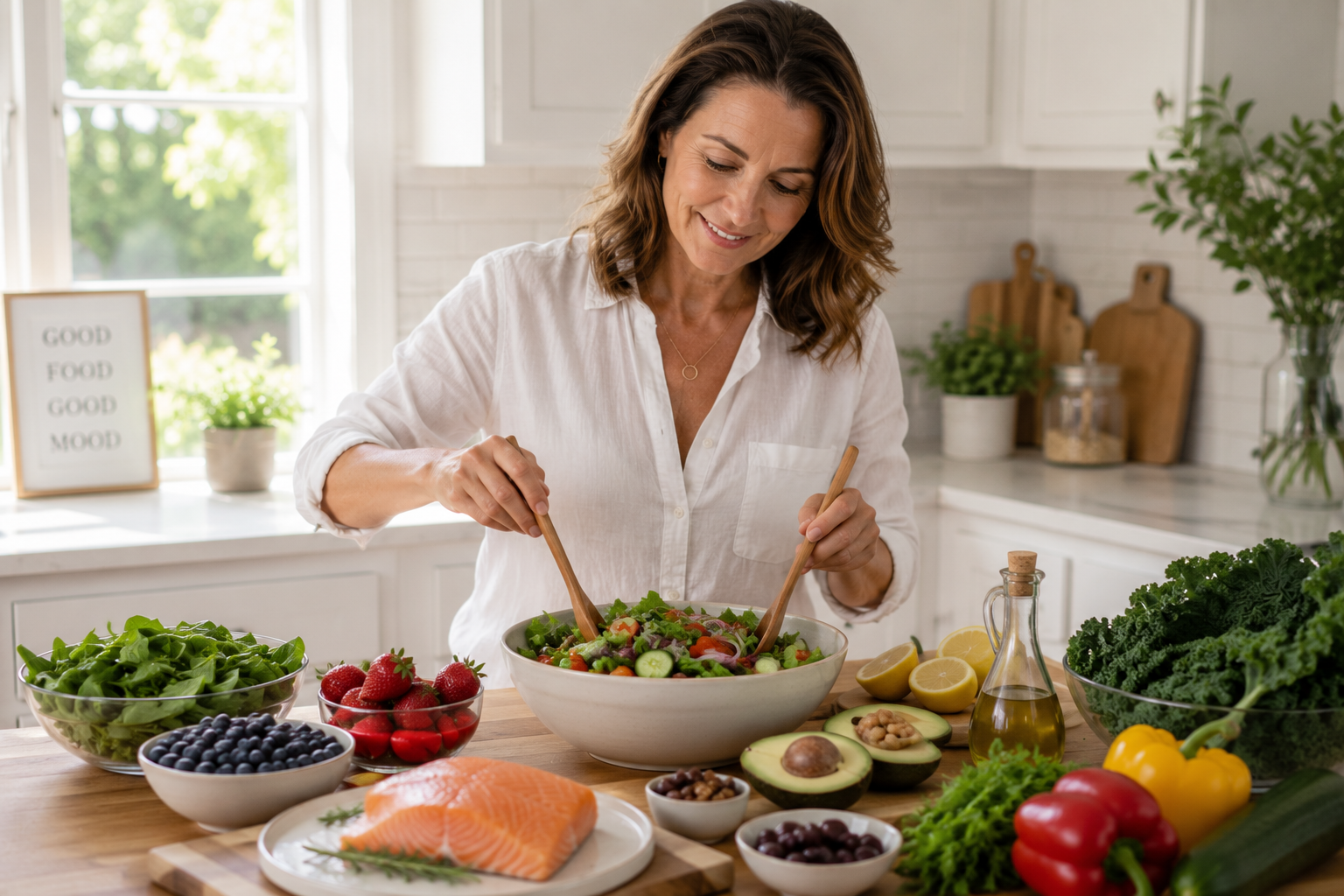
Some dietary patterns appear supportive:
- Vegetables
- Legumes
- Olive oil
- Nuts
- Omega-3 rich foods (like oily fish)
These foods tend to support overall inflammation balance, which may help reduce flares over time .
The Most Important Takeaway: It’s Personal
Here’s where many people get stuck:
They try to follow a strict “rosacea diet” and end up over-restricting without clear benefit.
The research actually supports a different approach:
A simple, personalized strategy
- Start with the most common triggers:
- Alcohol
- Spicy foods
- Hot foods/drinks
- Keep a short food and symptom journal
- Remove one category at a time
- Reintroduce slowly and observe your response
This allows you to identify your true triggers without unnecessary restriction .
A Root-Cause Perspective
From a broader health perspective, rosacea is often connected to:
- Gut health
- Inflammation
- Nervous system sensitivity
- Blood sugar balance
So while identifying triggers is helpful, the deeper work is about:
supporting your whole system, not just avoiding foods
Conclusion
Research shows that a few key dietary patterns are commonly linked to rosacea flares:
- Alcohol
- Spicy foods
- Hot foods and drinks
- Certain plant compounds and histamine-rich foods
But your response is highly individual.
Instead of following a rigid diet, the most effective approach is:
personalized, curious, and sustainable
When you understand your own patterns, you can support your skin without feeling restricted.

Fullscript Supplement Resources
You can find high-quality omega-3 fatty acid supplements in my easy-to-access Dr. Patricia Approved Fullscript plan, available here:
References
Alia E et al. Rosacea pathogenesis, common triggers, and dietary role. Clinics in Dermatology. 2021. PMID: N/A. DOI: 10.1016/j.clindermatol.2021.10.004
Alinia H et al. Rosacea triggers: Alcohol and smoking. Dermatologic Clinics. 2018. PMID: N/A. DOI: 10.1016/j.det.2017.11.007
Alzaid M et al. Dietary recommendations for acne and rosacea. Journal of Cosmetic Dermatology. 2023. PMID: N/A. DOI: 10.1111/jocd.15779
Bava F et al. Dietary interventions on skin health. Precision and Future Medicine. 2025. PMID: N/A. DOI: 10.23838/pfm.2025.00121
Bonamigo R et al. Clinical-demographic profile in rosacea. Anais Brasileiros de Dermatologia. 2025. PMID: N/A. DOI: 10.1016/j.abd.2025.501160
Dosal J et al. Dietary modifications for acne and rosacea. 2021. DOI: 10.1007/978-3-030-58954-7_7
Guertler A et al. Dietary patterns in acne and rosacea patients. Nutrients. 2023. PMID: N/A. DOI: 10.3390/nu15204405
Jamgochian M et al. Diet in dermatology. American Journal of Lifestyle Medicine. 2021. PMID: N/A. DOI: 10.1177/15598276211026592
Joshi N et al. Diet and biomarkers in rosacea. Current Treatment Options in Allergy. 2024. PMID: N/A. DOI: 10.1007/s40521-024-00376-7
Keri J et al. Role of diet in acne and rosacea. 2008.
Kunwar N et al. Rosacea factors and comorbidities. Journal of Cosmetic Dermatology. 2025. PMID: N/A. DOI: 10.1111/jocd.70337
Maarouf M et al. Nutrition and inflammatory skin disorders. Australasian Journal of Dermatology. 2018. PMID: N/A. DOI: 10.1111/ajd.12909
Manfredini M et al. Probiotics and diet in rosacea. Biomolecules. 2025. PMID: N/A. DOI: 10.3390/biom15030411
Perevalova E et al. Food triggers in rosacea. 2023. DOI: 10.53652/2782-1730-2023-4-3-71-76
Searle T et al. Rosacea and diet. Journal of Clinical and Aesthetic Dermatology. 2021. PMID: N/A
Wang B et al. Spicy food and rosacea risk. Journal of Cosmetic Dermatology. 2021. PMID: N/A. DOI: 10.1111/jocd.14556
Weiss E et al. Diet and rosacea. Dermatology Practical & Conceptual. 2017. PMID: N/A. DOI: 10.5826/dpc.0704a08
Yuan X et al. Rosacea and dietary factors. Journal of Dermatology. 2019. PMID: N/A. DOI: 10.1111/1346-8138.14771
Are you getting the full benefit of a Fullscript account?
If you haven’t already done so, set up your own Fullscript account so you can see my recommended core supplements, Protocols, and other favorites. And if you decide to purchase supplements which I’ve researched and recommend through Fullscript, I receive a small commission — and YOU receive a 10% discount! It’s a win/win.
Canadian residents
USA residents
If you’re still unable to see my recommended core supplements in your account, select the ‘Catalog’ tab, then click on ‘Dr. Patricia Mills’ Fullscript Account Favourites’ and then select ‘Foundational Supplements’.